


Choosing where to register your company abroad comes down to four things: tax you can plan around, a bank that accepts foreign clients, a stable currency and a legal way to live there. For many freelance creatives based in Europe, Montenegro checks most of those boxes. The catch sits in the money admin.
You register a company, open a business bank account in Montenegro and keep VAT and residency rules in order, and each step has details people skip.
Key Takeaways
- The best country for your studio’s company balances tax, banking access, currency and residency options.
- Montenegro offers progressive profit tax starting at 9% and runs its economy on the euro.
- A business bank account in Montenegro opens only after the company is registered with a tax ID.
- Banks check owners, directors and the origin of your income before approving any account.
- VAT registration becomes mandatory once yearly turnover passes €30,000.
- Spending more than 183 days a year in Montenegro can make you a local tax resident.
Where to Open a Company When Your Creative Studio Goes Abroad

Photographers, illustrators, video editors and copywriters rarely need a big office or local staff. Their clients sit in different countries, and payments arrive from several currencies. As more marketers and creatives go independent, the question of where to register a small studio comes up more often than ever. A few criteria matter far more than the rest.
-
Tax Rates You Can Plan Around
Low rates help, but predictable rates help even more. A clear profit tax scale and simple rules for paying yourself let you price projects without guessing what the tax office will take at year end.
-
Banking That Accepts Foreign Clients
Some countries make company registration easy and banking painfully slow. Your company is only useful once it can receive international transfers, pay collaborators and handle card payments for software subscriptions.
-
Currency and Everyday Stability
Billing in a stable currency removes exchange rate stress from every invoice. It also makes comparing income month to month far easier.
-
A Legal Way to Live There
Owning a company abroad does not automatically give you the right to stay in that country. Check the residence options before you register anything.
Why Montenegro Keeps Showing Up on the Shortlist
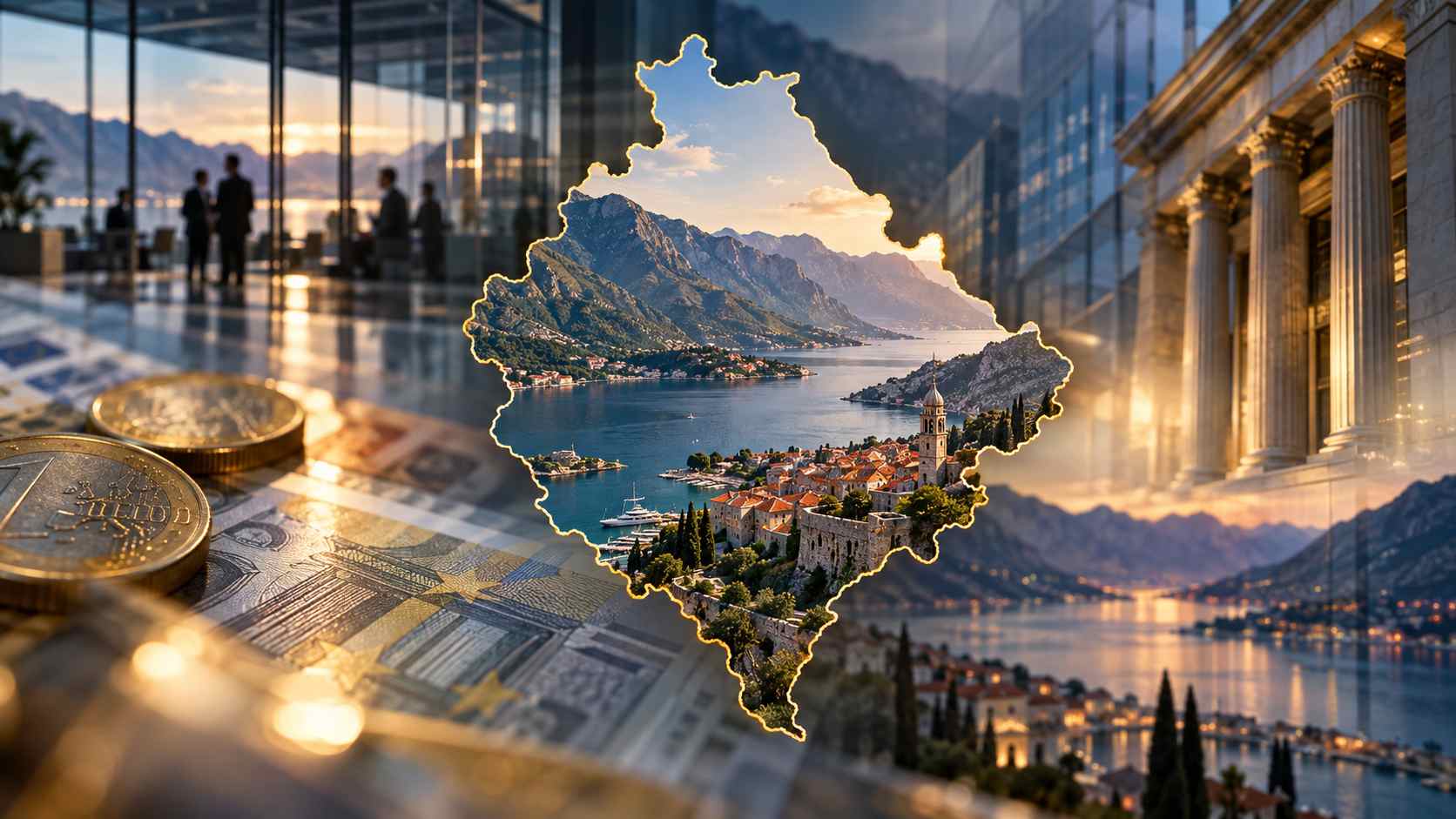
Montenegro scores well on almost every point above. In its 2026 ranking of the best European countries for remote workers, Euronews placed Montenegro fourth among 40 countries, partly thanks to residence permits that can last up to 730 days. Add the euro, an EU candidate status and a coastline within a short flight of most European cities, and the appeal becomes obvious.
| What to look for | Why it matters for a studio | How Montenegro measures up |
| Profit tax | Decides how much of each invoice you keep | Progressive scale from 9% to 15% |
| Currency | Removes exchange rate stress | Uses the euro |
| Company setup | Affects how fast you can start billing | One central register issues the registration number and tax ID |
| Banking | Lets you receive payments from abroad | Eleven licensed banks, strict but workable checks |
| Residence | Lets you legally live where your company is | Several permit routes, including business residence |
Profit Tax and VAT at a Glance
As the PwC tax summary for Montenegro explains, company profit is taxed at 9% up to €100,000, at 12% on the portion up to €1.5 million and at 15% above that. VAT carries a standard rate of 21%, and registration becomes mandatory once yearly turnover exceeds €30,000.
Low rates still come with monthly and annual filings, payroll for the owner and deadlines in a language you may not speak. Many studio owners hand that part to Vega Plus accounting services, so bookkeeping, tax returns and reporting follow Montenegrin rules from the first month.
The Digital Nomad Permit and Its Limits
Montenegro also runs a digital nomad residence permit. As EY reported when the scheme launched, holders do not pay Montenegrin personal income tax. However, the permit targets people working for foreign employers or for their own company registered outside Montenegro.
Once you open a local company, a business residence route usually fits better, and current rules are worth checking with an advisor.
Business Bank Account in Montenegro: The Step Creatives Underestimate
Picking the country is the fun part. Getting a working account is where plans stall. According to the Central Bank of Montenegro’s list of licensed banks, eleven banks operate normally in the country, and each runs its own compliance checks.
Documents Banks Ask For
Most banks expect:
- the registration decision, founding act and company statute
- passports and proof of address for directors, signatories and beneficial owners
- a short CV of the owner and, at some banks, a statement from your current bank
- proof of real activity, such as client contracts or recent invoices
Foreign documents usually need an apostille and a Montenegrin translation. A clear business plan for freelance creatives also helps, because “creative services” means little to a compliance officer until they see your clients and pricing model.
Money Admin to Sort Before Clients Pay You in Montenegro

The account going live is a milestone, yet a few loose ends can still send payments to the wrong place or trigger tax trouble later.
Contracts and Invoices
Every invoice template, payment link and recurring billing setup still shows your old details. Update them in one sitting.
Reread licensing clauses too, since the copyright rules every creator should know stay the same while the legal entity named in your contracts changes.
Records Your Accountant Needs
Your accountant needs invoices, contracts and receipts every month. Keeping them in a shared folder on one of the secure file transfer platforms beats sending scans at midnight before a deadline.
Residency Days
Foreigners who stay longer than 183 days in a year generally become Montenegrin tax residents. Your previous country may still claim tax too, so track your days from the start.
FAQ
Conclusion
The right country for your studio’s company is the one where tax, banking and residency work together, and Montenegro delivers on all three for many freelance creatives. The real effort sits in the money admin: register first, prepare clean documents, open the account and keep VAT and residency days under control.
Once that runs quietly in the background, your time can go back to growth, from client outreach to marketing strategies that help solo founders compete with bigger names. Get local accounting support early, and spend your energy on the work clients pay you for.