


Target closed 133 Canadian stores and walked away from a $2 billion write-down less than two years after launch. Nordstrom followed in 2023, shutting every Canadian location after posting losses every single year it operated here. Bed Bath & Beyond, Lowe’s, Toys R Us.
The list of American retailers that expanded into Canada and then quietly (or not so quietly) packed up keeps growing, and Quebec shows up in almost every postmortem as the market where things went wrong first and worst.
The pattern is not bad luck. It is a failure to treat Quebec as what it actually is: a French-speaking market with its own legal framework, its own consumer habits, and its own relationship to American brands.
Why Quebec Trips Up American Retailers
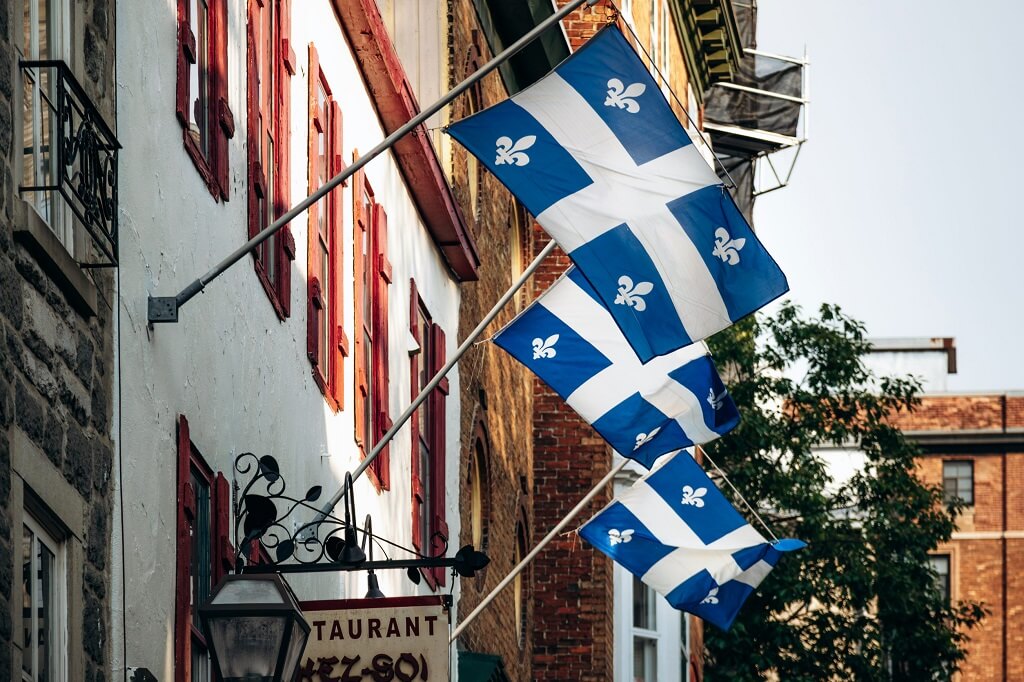
US brands get Quebec wrong because they treat it like an English-speaking market with a translation layer on top, instead of a distinct market with its own language law, retail habits, and cultural expectations.
Quebec is governed by the Charter of the French Language (Bill 96), which sets legal requirements for signage, packaging, and advertising that go well beyond swapping English words for French ones. Brands that skip proper localization run into compliance problems and consumers who simply do not connect with the offer.
Ignoring or misunderstanding the language law
Quebec’s Charter of the French Language, commonly known through its 2022 update as Bill 96, is not a suggestion. As of June 1, 2025, businesses operating in Quebec must meet stricter rules for how French appears on:
| Area | Requirement |
| Public signage | French must be markedly predominant, in the same visual field as any other language |
| Product packaging | Every inscription, including directions for use and warranty text, must be in French |
| Trademarks | Only registered trademarks keep exemptions; generic or descriptive words inside a trademark must be translated |
| Commercial advertising | Websites and social media used to sell to Quebec consumers fall under the same French-first rules |
Non-compliance is not a slap on the wrist either. The Office québécois de la langue française can issue daily fines ranging from $3,000 to $90,000 for businesses that fail to comply.
Some US retailers have historically treated this as a paperwork problem to solve after launch. Walmart, Best Buy, Costco, Gap, Old Navy, and Guess ended up in Quebec Superior Court back in 2012 over exactly this, fighting the language watchdog’s demand that they add French descriptors to their store names.
Companies that treat the Charter as a late-stage compliance checkbox instead of a launch requirement end up rebuilding signage, packaging, and marketing after the fact, which costs far more than doing it right the first time.
Assuming Canadian French is just French with a Canadian accent

A subtler mistake, and one that trips up brands that think they have already solved the language problem, is treating Quebec French as interchangeable with European French. It is not. Vocabulary, idiom, tone, and even the words used for everyday retail concepts differ enough that a translation done for a French or Belgian audience often reads as foreign, overly formal, or simply wrong to a Quebec shopper.
A checkout is “caisse” in both, but “un char” means a car in Quebec and would confuse a Parisian. Marketing copy that leans on European French slang, sentence rhythm, or cultural references falls flat with Quebec consumers the same way British marketing copy can feel off to an American reader, even though both are technically English. Brands that outsource translation to whoever is cheapest or fastest, without regard for the target dialect, often end up with copy that is grammatically correct and commercially useless.
This is where a lot of “just translate the English” strategies quietly fail. The translation might be accurate. It is not necessarily Quebec French, and Quebec shoppers notice the difference immediately. Getting this right calls for translators who work specifically in Quebec French rather than general Francophone translation, since the market has its own register, humor, and consumer vocabulary that a generic French translation misses. This is exactly the gap that Elmura’s French translation services are built to close for brands entering the province.
Misreading what Quebec shoppers actually want
Target’s own executives admitted their business model depended on changing how Canadians shop, pushing them toward the one-stop American model instead of the specialty-store habits Quebecers already had. That assumption alone did a lot of damage before a single store opened.
Quebec grocery and retail habits lean on specialty shopping. Cheese from the fromagerie, bread from the boulangerie, meat from the charcuterie. Big-box retailers offering a thin, generalized selection of packaged goods do not compete well against that habit, especially when local supermarket chains already stock a wide range of regional products.
Quebec’s immigration pattern adds another layer. The province draws more immigrants from France, North Africa, and other Francophone regions than the rest of Canada, which shapes product demand in ways that a “one national assortment” strategy misses entirely. A retailer that builds one Canadian product mix based on Toronto or Vancouver preferences and rolls it out to Quebec unchanged is very likely serving the wrong products to the wrong audience.
Quebec consumers are also known for being price and value conscious in a specific way. They will notice when a US brand charges Canadian prices well above what the same product costs across the border, and they tend not to give brands the benefit of the doubt on this. Retail analysts covering the Nordstrom and Target failures pointed to pricing that did not match perceived value as a recurring theme, not an isolated misstep.
Underinvesting in local decision-making

A theme that comes up across nearly every postmortem of a failed US retail launch in Canada is the absence of a real, empowered Quebec or Canadian head office. Brands that treat their Canadian operation as a sales channel for decisions made at the US head office tend to miss local signals until it is too late to fix them cheaply.
Retailers who succeeded long-term in Canada, Walmart and Costco among them, built out operational and merchandising discipline specific to the market rather than exporting a US playbook wholesale. That distinction matters even more in Quebec, where language, product mix, and marketing tone all need local judgment rather than a translated version of a US strategy.
Quick checklist before entering Quebec
- Confirm signage, packaging, and advertising meet Bill 96’s French-predominance requirements before launch, not after a fine
- Use Quebec French translation, not general or European French, for all customer-facing copy
- Audit product assortment against regional shopping habits instead of applying a single Canada-wide mix
- Price with awareness that Quebec shoppers compare directly against US pricing and punish the gap
- Give the Quebec or Canadian team real authority over localization decisions
Frequently Asked Questions
Conclusion
The pattern behind these failures is well documented and avoidable. Brands that plan for Bill 96 compliance, invest in real Quebec French, and adjust pricing and assortment to local habits give themselves a real shot at succeeding where so many well-known names did not.