


Community associations are not a niche situation. The Foundation for Community Association Research estimates there are around 373,000 community associations in the United States, home to roughly 78.1 million residents. If you are selling in a planned community, condo building, or townhome development, assume the rules apply to you.
The authority is not unlimited, though. Florida law, for example, allows an association’s architectural committee to review the location, size, type, or appearance of a structure only to the extent that authority is stated or reasonably inferred in the declaration of covenants or published guidelines. Your CC&Rs are the actual rulebook. Read them before you assume anything is banned or allowed.
Photos matter enough to justify the hassle. NAR research found photos were the most valuable content on listing websites for recent buyers, ahead of detailed property information and floor plans. The same principles that make any commercial image work apply here: the frame has to show something worth showing
The Upgrades That Almost Always Need Sign-Off
Community associations are not a niche situation. The Foundation for Community Association Research puts the national count at roughly 373,000 associations housing about 78.1 million residents, so if you are selling in a planned community, condo building, or townhome development, assume the rules apply to you.
The general test is simple. If a neighbor standing on the sidewalk would notice the change, it probably needs approval.
Paint, doors, and shutters
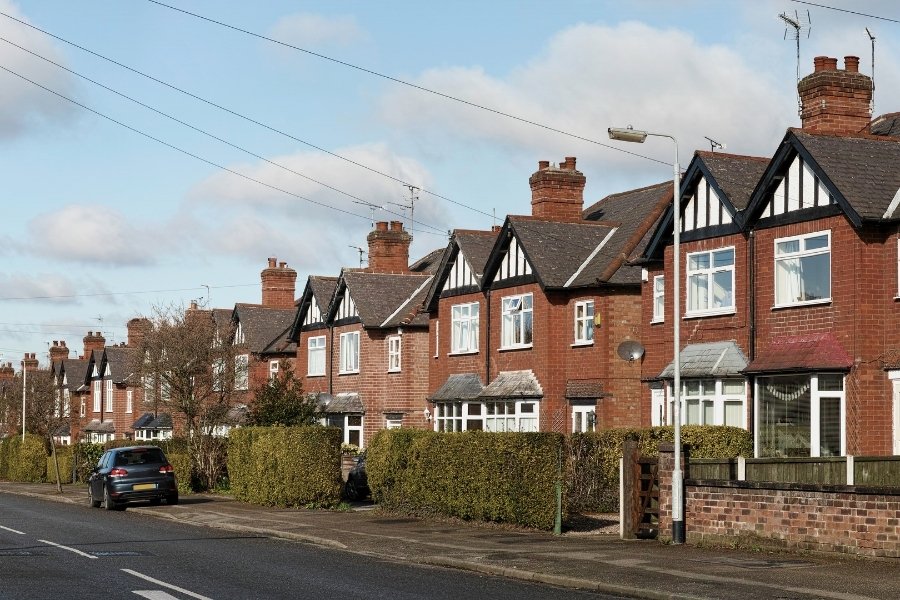
Color changes are the most commonly rejected request in the whole category. Many associations keep an approved palette, and repainting your door a shade that is not on it will get flagged fast. Even repainting the same color sometimes needs a form on file.
Fences, decks, patios, and pergolas
These add mass to the lot, which is why committees care. Height, material, setback from property lines, and placement all get reviewed. Expect to submit a drawing, not just a written description of what you plan to build.
Roofs, windows, and siding
Big-ticket replacements almost always require sign-off, especially when the new material or profile differs from what was there. Boards often care about roof color and window frame material more than sellers expect them to.
Landscaping and hardscaping
Trimming and replanting are usually fine. Removing a mature tree, regrading, adding a retaining wall, or laying a new walkway generally is not. It is worth checking early, because the NAR Remodeling Impact Report found 92% of members suggest sellers improve curb appeal before listing, and yard work tops the list of what they recommend.
| Project | HOA approval typically needed? | City permit typically needed? |
| Repainting exterior or front door | Yes, color must match approved palette | No |
| New fence | Yes, height and material reviewed | Depends on height |
| Deck over 30 inches above grade | Yes | Yes |
| Roof replacement | Yes, color and material | Yes |
| Replanting existing beds | Rarely | No |
| Solar panels | Application yes, outright ban usually no | Yes |
| Satellite dish under one meter | No pre-approval required | No |
Permit thresholds are local, so confirm with your building department before you order materials.
Portland’s permit guidance is a good example of how specific the rules get, since a patio cover of 200 square feet or less attached to an exterior wall needs no building permit, while a larger detached cover does.
The Upgrades You Can Skip the Paperwork For

Not everything needs a committee. Interior painting, new fixtures, deep cleaning, decluttering, and staging are all yours to handle. Pressure washing, mulching, mowing, and swapping annuals in existing beds are normally fine too.
Two exterior items are protected by federal rule. The FCC over-the-air reception devices rule protects an owner or tenant’s right to install and use an antenna for satellite, broadband radio, and broadcast television signals in areas under their exclusive use, with narrow exceptions for safety and historic preservation.
Associations can still ask for painting or screening, but they cannot make you wait for approval first.
Solar works in a similar way across most states. Solar rights laws generally protect the right to install a system while still letting the association set reasonable rules on placement and safety.
What the Application Actually Asks For

Most architectural review forms want three things: a description of the work, product details like color codes and material samples, and a drawing showing where the change goes on your property. The third one is what stalls people.
The board’s authority is not unlimited either. Under Florida law, for example, a committee can review the location, size, type, or appearance of a structure only to the extent that authority is stated or reasonably inferred in the declaration of covenants.
Your CC&Rs are the actual rulebook, so read them before assuming something is banned.
The site plan is the sticking point
View this post on Instagram
A scaled drawing with lot lines, setbacks, existing structures, and the proposed addition is standard for fences, decks, sheds, and hardscaping. If your closing packet does not include one, Get A Site Plan HOA drawings produce exactly this kind of document, and the same drawing usually satisfies both the committee and the city permit office.
Keep a copy of every approval letter you receive. Buyers’ attorneys ask for them, and boards do not always keep clean records.
The habit behind a good building maintenance log works just as well for a single-family home file, and it takes about five minutes to set up.
Timing the Shoot Around the Review Calendar
Committees usually meet monthly, and many governing documents give them 30 to 45 days to respond in writing. Work backward from that. Submit paperwork six to eight weeks before your target listing date, and book the photographer only after approvals are in hand and the work is finished.
The photos are worth protecting. NAR’s buyer and seller research found photos were the single most valuable content on listing websites, ahead of detailed property information and floor plans.
Weather adds one more layer. Exterior shots depend on light, and the same timing habits used for outdoor shoots apply to your front elevation. Give yourself a spare weekend in case the sky does not cooperate.
FAQ
What Happens If You Skip It
Associations can fine you, place a lien, or require removal at your own cost. Worse, unapproved work often surfaces during escrow when the buyer’s lender requests an estoppel letter. A pending violation on that letter can delay closing or send a nervous buyer walking.
If you already made changes without approval, apply retroactively. Boards often grant variances when the work meets community standards and you come forward on your own.