

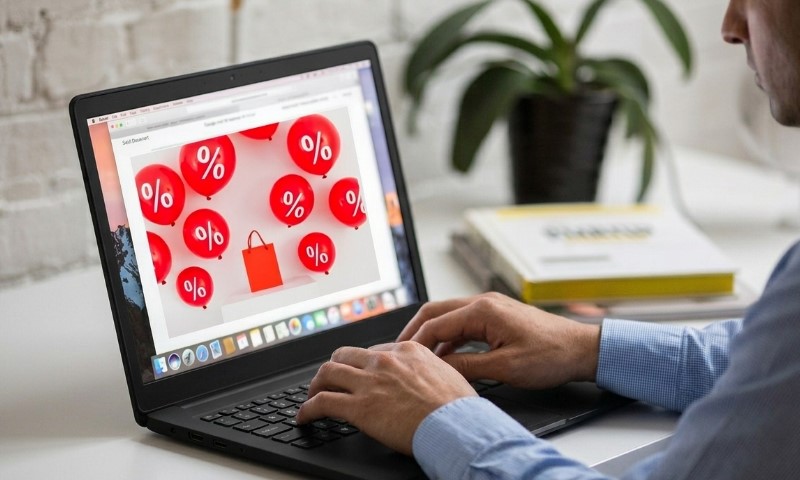
Consumers encounter brands across search, streaming, social media, and online shopping, giving companies only seconds to communicate an offer.
Google reports that 83% of global consumers use Google and/or YouTube every day. That level of daily exposure makes visual communication especially important in crowded digital spaces.
Images and video can show value faster than long promotional copy. Strong promotional visuals also make offers easier to trust and evaluate by showing products, results, rewards, and experiences directly.
Effective visual promotions in 2026 rely on three things: clarity, authenticity, and tangible value.
Visuals Make Immediate Rewards Easier to See
Consumer behavior in 2026 shows greater interest in immediate rewards and experiences, especially as people place more importance on present wellbeing.
Promotional visuals can make those rewards concrete by showing exactly what customers receive:
- A free gift
- A discounted bundle
- An upgrade
- A bonus product
- An included experience
Promotional categories built around bonuses make that principle easy to see.
Visitors can compare deposit bonuses, free spins, and promotional packages side by side without relying on lengthy explanations by using casinosjungle.com/crypto-casino/.
Visible rewards often communicate value better than vague promotional language.
“20% off” gives customers a number. A picture of the full discounted package shows what that saving buys.
“Free upgrade” provides limited information on its own. A side-by-side image can show exactly what improves.
Specific benefits also make promotions easier to remember. Customers may forget a percentage but remember a free product, a premium room, a larger package, or an upgraded service.
Visuals Capture Attention Faster
Consumers often scroll past promotional content within seconds. Images and short videos can communicate price, product, outcome, or reward before longer copy has a chance to do so.
Short-form video plays a major role in that behavior:
- YouTube Shorts receives about 70 billion daily views.
- Around 40% of Instagram user time is spent on Reels.
Promotional graphics, demonstrations, product imagery, and before-and-after visuals can make offers easier to process immediately.
A bundle can show every included item in one image. A service company can show a result in a short clip. An online retailer can place the sale price beside the product instead of relying on a long caption.
Clear visual hierarchy also matters. Product or outcome should receive attention first, followed by promotional value and important conditions.
Visual Storytelling Makes Offers More Compelling

Discount percentages explain savings, but visual storytelling shows what customers receive.
A hotel promotion showing a room, breakfast, pool access, and other included experiences communicates more value than a graphic displaying only “20% off.”
Similar techniques work across many industries. Furniture retailers can show completed rooms. Software companies can demonstrate faster task completion.
Restaurants can present the full promotional meal. Beauty brands can show application and results.
Useful formats include:
- Product demonstrations that show how an item works
- Sequential visuals that show progress
- Customer-use footage showing products in everyday settings
- Short promotional films tied to a specific occasion or need
- Side-by-side comparisons showing added value
Story-based visuals also protect perceived value. Constant discount graphics can train customers to focus only on price.
Product use, quality, outcomes, and customer experience give shoppers more reasons to act.
Authentic Visuals Build Trust
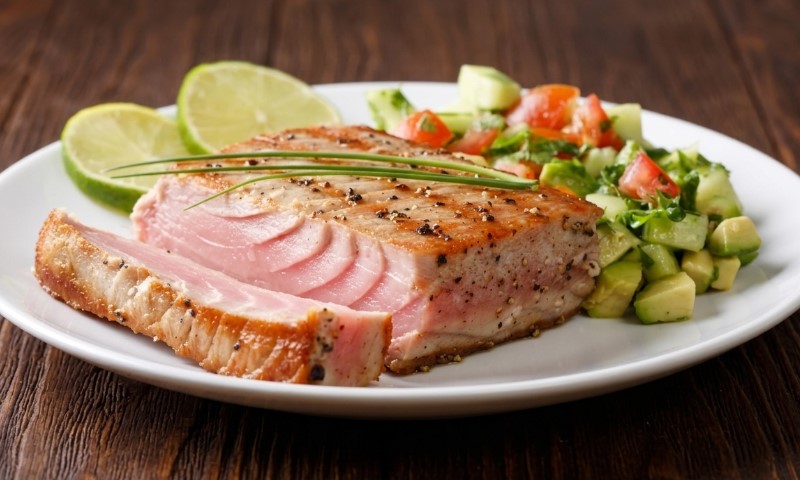
Consumers are increasingly cautious about highly polished or synthetic online content.
Research indicates that 90% of consumers consider authenticity important when deciding which brands they like and support.
AI-generated fraud has also increased skepticism, with 69% of global consumers reporting greater distrust of online content because of it.
Original visual material can strengthen credibility. Useful examples include customer footage, staff imagery, workplace scenes, product demonstrations, packaging videos, production clips, and behind-the-scenes content.
Authentic visuals can also answer practical concerns:
- Actual product scale can reduce size confusion.
- Usage footage can show how an item performs.
- Staff imagery can make a business feel more credible.
- Process photos can show workmanship, materials, or preparation.
Quality still matters. Clear lighting, stable footage, clean composition, and consistent branding help authentic content look professional without making it feel artificial.
Visual Consistency Strengthens Recognition
Promotional content works better when customers can quickly identify who is communicating with them.
Repeated visual cues such as typography, photography style, layout structure, packaging, and logo placement can make campaign content easier to recognize across several channels.
Consistency becomes especially useful when the same promotion appears on social media, search ads, email, ecommerce pages, and physical materials. Customers can connect each exposure with the same offer without reprocessing the message each time.
Recognition can also make repeated exposure more useful.
A customer who ignores an offer on Instagram may notice it later on YouTube or a shopping page. Familiar visual elements help connect those interactions.
Consistency does not require identical creative assets. Different formats can use different imagery while keeping the same central offer, visual language, and customer benefit.
Visuals Can Strengthen Urgency Without Relying on Pressure
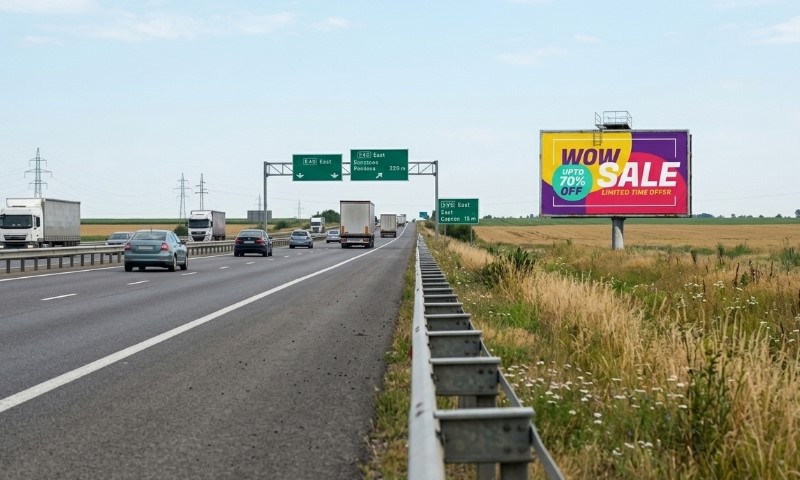
Limited-time promotions often depend on urgency, but aggressive countdowns and repeated warnings can make an offer feel forced.
Visual content can communicate time sensitivity in a more useful way by connecting the deadline with a visible benefit.
A holiday bundle can show exactly what disappears after the promotional period. An event package can show limited seating or included extras. A seasonal offer can use product availability and timing to explain why acting sooner matters.
Urgency works better when customers can connect the deadline with a clear gain.
Useful visual signals can include:
- A visible end date
- Remaining promotional stock
- Limited bonus items
- Seasonal availability
- Time-specific upgrades
Such details give customers a practical reason to act instead of relying only on pressure-based messaging.
Mobile-First Visual Design Matters More
View this post on Instagram
Many promotional interactions happen on phones, where screen space is limited and attention shifts quickly.
Small text, crowded layouts, wide graphics, and complex overlays can weaken an offer on mobile devices. Important information needs to stay readable without zooming.
Product, price, reward, and call to action should usually be visible quickly. Secondary details can sit lower in the layout or appear later in a video.
Vertical video also fits current viewing habits well, especially on short-form platforms. Full-screen formats allow products, demonstrations, and promotional messages to occupy more visual space without competing with surrounding content.
Mobile-first design also encourages stronger editing. Every visual element needs a clear purpose when space is limited.
Summary
Visual content helps customers notice, process, trust, and value promotional offers faster.
Strong campaigns use clear product imagery, short demonstrations, authentic footage, visual storytelling, and visible rewards to communicate what customers gain.
Discount size still matters, but price alone rarely creates a strong promotion. Customers respond more easily when they can see the product, benefit, reward, or result attached to an offer.