


Commercial properties deteriorate without structured maintenance. Equipment drifts out of calibration. Roof penetrations loosen. Valves get bumped. Filters load up. Moisture finds edges.
Small defects grow into downtime, claims, tenant disputes, and code violations. Property managers rely on formal maintenance checklists to stop that chain reaction.
A functional checklist serves five purposes:
- It protects life safety systems such as fire protection, egress, and emergency power.
- It stabilizes core building systems, including HVAC, electrical distribution, plumbing, and the building envelope.
- It controls water risk tied to leaks, mold drivers, and Legionella-prone systems.
- It preserves asset life and warranty coverage through documented preventive maintenance.
- It produces records that survive staff turnover, audits, and insurance reviews.
Best programs align with guidance from BOMA, ENERGY STAR, ASHRAE, NFPA, OSHA, and CDC. Those bodies define how commercial buildings are judged during inspections, insurance underwriting, and post-incident investigations.
How Property Managers Structure Maintenance Programs
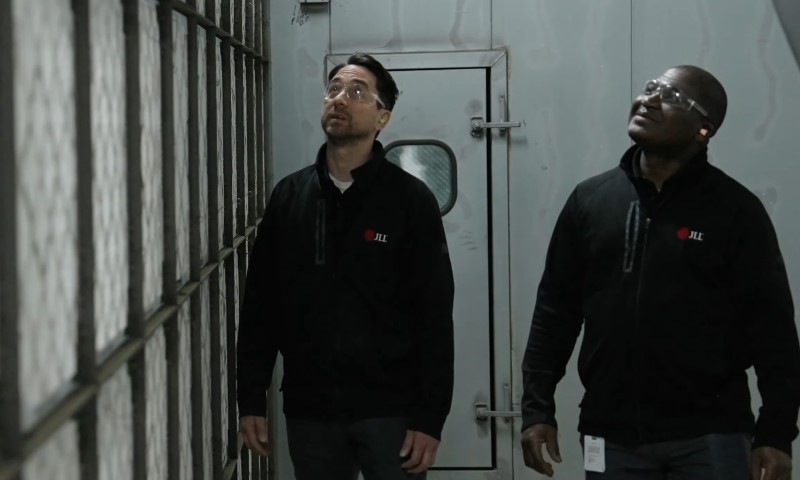
A professional maintenance program follows four layers.
Scheduled Preventive Maintenance
Preventive maintenance assigns recurring tasks based on equipment type, manufacturer requirements, and risk level.
BOMA frames preventive maintenance as a systematic program that defines what gets reviewed, what corrective action is required, and how often tasks occur.
Condition-Based Checks
Inspections and testing adjust frequency based on equipment condition, criticality, and operating environment.
NFPA 70B pushes electrical programs toward formal inspection cycles that reduce failure risk and improve safety outcomes.
Corrective Maintenance
Corrective work orders address defects found during inspections, tenant requests, alarms, and failures.
Documentation And Verification
Logs, test reports, trend data, commissioning notes, and contractor certificates get stored in a CMMS or structured record system. Documentation is not optional. It protects warranty coverage and liability exposure.
Why Maintenance Controls Operating Costs
Energy and maintenance costs track together. ENERGY STAR guidance shows that efficient operations and maintenance reduce operating expenses, lower failure risk, and reduce comfort complaints.
Industry benchmarks repeatedly cite that HVAC and lighting O&M programs can reduce energy costs by roughly 5% to 20%, depending on building type and baseline conditions. That range serves as a planning benchmark.
Maintenance also controls insurance risk. Buildings with incomplete fire and electrical records face underwriting surcharges or nonrenewal.
Maintenance Frequency Structure
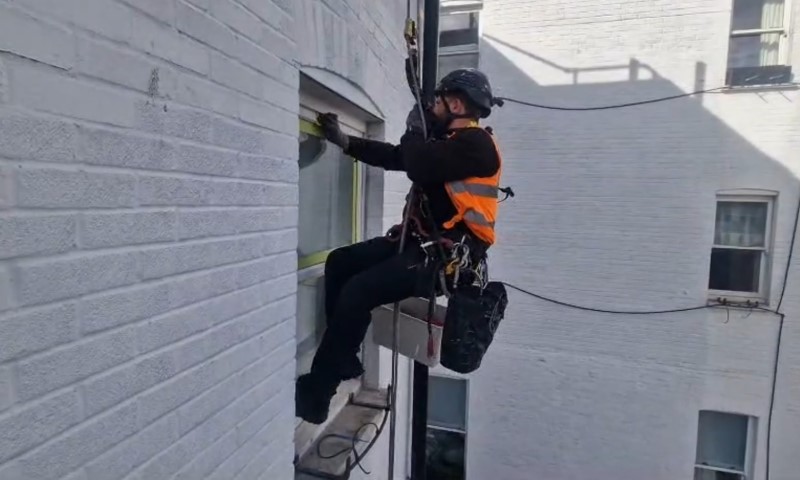
Property teams organize tasks by frequency and by system.
| Frequency | Typical Scope |
| Daily or Per Shift | Safety status, leaks, alarms, critical readings |
| Weekly | Functional checks, mechanical room housekeeping, basic water system checks |
| Monthly | Lighting, filters, safety devices, fire protection visuals |
| Quarterly | Deeper inspections, belt and motor checks, damper and valve exercise |
| Semiannual | Seasonal HVAC transitions, envelope reviews |
| Annual | Code inspections, contractor testing, major tune-ups |
| Multi-Year | Roof lifecycle work, sprinkler internal pipe checks, capital planning |
Local codes, insurance policies, and lease clauses override baseline frequencies when more strict.
HVAC And Indoor Air Quality
Commercial HVAC maintenance addresses reliability and indoor air quality. ASHRAE Standard 180 defines minimum acceptable HVAC maintenance.
Daily Or Weekly
- Review BAS alarms and abnormal runtime
- Walk mechanical rooms and rooftops for vibration, oil stains, noise, and condensate overflow
- Confirm outside air intakes remain clear
Monthly
- Inspect filters and replace based on loading and pressure drop
- Inspect condensate pans and drains
- Inspect belts, pulleys, and sheaves
- Inspect coils for dirt and fin damage
- Verify damper movement and actuator response
Quarterly
- Calibrate control sensors
- Test economizers
- Inspect VAV boxes
Semiannual
- Cooling and heating startup checks
- Safety control verification
- Condenser cleaning
- Airflow verification in complaint zones
Annual
- Full manufacturer preventive service
- Electrical tightening
- Combustion analysis, where applicable
- Review runtime history and adjust PM intervals
ASHRAE filtration guidance stresses maintaining the required outdoor airflow and proper filtration. During respiratory disease periods, many operators target higher-efficiency filtration when systems can handle added pressure drop.
Electrical Distribution And Critical Power

Electrical maintenance combines safety compliance with uptime management. NFPA 70B provides the program framework.
Daily Or Weekly
- Verify electrical rooms remain dry, locked, and clear
- Review UPS, generator, and ATS alarms
- Walk for overheating indicators
Monthly
- Inspect panelboards and switchboards externally
- Record UPS status and alarms
- Test emergency lighting and exit signs
Quarterly
- Perform infrared thermography on critical gear
- Exercise breakers and ATS
Semiannual
- UPS battery inspections and impedance testing
- Generator fuel quality checks
Annual
- Documented preventive maintenance on switchgear and breakers
- GFCI and ground-fault testing
- Arc flash label review
Required documentation includes updated one-line diagrams, equipment inventories, and formal electrical maintenance program records.
Plumbing, Pumps, And Water Risk

Plumbing maintenance controls leaks, mold drivers, slip hazards, and Legionella risk. CDC guidance treats Legionella water management programs as an industry standard for many commercial buildings.
Daily Or Weekly
- Review leak reports and odor complaints
- Inspect sump pits and lift stations
- Walk riser rooms for moisture
Monthly
- Exercise isolation valves by rotation
- Inspect water heaters and mixing valves
- Check pressure-reducing valves
Quarterly
- Inspect booster pumps and seals
- Flush domestic water strainers
- Review water bills for abnormal use
Water Management Program Tasks
Buildings with cooling towers, large hot water systems, or complex plumbing follow CDC toolkit steps:
- Establish a team
- Describe water systems
- Identify hazard points
- Define control measures and monitoring
- Set corrective actions
- Verify performance
- Document activity
Fire And Life Safety Systems
Fire protection carries direct compliance risk. Property teams track sprinkler systems, fire alarms, and egress components.
Sprinkler And Water-Based Systems
NFPA 25 establishes inspection and testing schedules that include weekly, monthly, quarterly, annual, and multi-year cycles depending on system type.
Fire Alarm And Detection
NFPA 72 governs inspection and testing cadence. Many systems require monthly, semiannual, and annual checks depending on local adoption.
Egress And Walking-Working Surfaces
OSHA rules cover floors, stairs, ladders, and fall protection. Rounds must flag trip hazards, wet floors, damaged stair nosings, broken handrails, and missing guards.
Roof, Façade, And Building Envelope
Envelope failures spread damage rapidly and drive claim losses.
After Major Storms
- Roof walks for punctures, displaced flashing, and even banner ads on the building
- Drain and scupper clearing
Property teams often supplement internal drain clearing with scheduled commercial gutter cleaning to prevent overflow at roof edges and parapets.
Monthly
- Inspect roof access and safety rails
- Inspect sealants and penetrations
- Check exterior doors and weatherstripping
Quarterly
- Inspect façade joints and window gaskets
- Inspect loading dock seals
Semiannual
- Pre-rainy season drain clearing
- Pre-freeze piping checks
Annual
- Formal roof condition report
- Infrared moisture scans where leaks persist
Interior And Tenant-Facing Areas

Tenant satisfaction depends on lighting, odors, restroom reliability, temperature stability, elevator uptime, and clean common areas.
Daily
- Lobby and restroom condition
- Slip hazards
- Trash removal
Weekly
- Test lighting controls and sensors
- Check door hardware
Monthly
- Replace failed lamps
- Inspect wet area caulking
- Inspect stairwells
Quarterly
- Deep clean mechanical-adjacent spaces
- Review pest control trends
Parking Lots, Garages, And Site Safety
Exterior areas generate claims through slips, trips, vehicle damage, and drainage failures.
Daily Or Weekly
- Walk for potholes and standing water
- Check lighting outages
Monthly
- Inspect drains and catch basins
- Check signage and repaint markings
Quarterly
- Garage ventilation and CO monitoring checks
- Inspect concrete spalling and coatings
Annual
- Pavement condition surveys
- Structural garage reviews based on age and climate
Frequency Control Table
| Frequency | Priority Focus | Examples | Evidence |
| Daily | Safety failures | Leaks, alarms | Rounds logs |
| Weekly | Reliability | Mechanical room walks | Checklists |
| Monthly | Wear items | Filters, belts, valves | Work orders |
| Quarterly | Deep inspection | Thermography | Reports |
| Semiannual | Seasonal | HVAC startup | Startup sheets |
| Annual | Compliance | Fire vendor inspections | Certificates |
| Multi-Year | Lifecycle | Capital renewals | Capital plans |
Life safety and water risk defects receive immediate escalation.
Monthly Checklist Samples
View this post on Instagram
Use the sample checklists below to standardize monthly inspections, reduce missed tasks, and create consistent documentation across HVAC, electrical, fire protection, plumbing, and water management systems.
HVAC
- Filters inspected and replaced
- Belts inspected
- Coils inspected
- Condensate pans cleaned
- Outside air intakes clear
- BAS alarms reviewed
Electrical
- Electrical rooms clear
- Panelboards intact
- UPS status logged
- Generator and ATS logs reviewed
- Overheating indicators escalated
Fire Protection
- Sprinkler valves in correct position
- Fire alarm panel normal
- Exit paths clear
- Emergency lighting functional
Plumbing
- Riser rooms dry
- Sump and lift station alarms normal
- Isolation valves exercised
- Water temperature recorded
Water Management
- Monitoring points reviewed
- Control limits verified
- Corrective actions documented
Ownership And Escalation Structure

- Building engineer handles daily rounds and immediate hazards
- HVAC vendor handles seasonal startups and quarterly tuning
- Electrical contractor handles thermography and switchgear maintenance
- Fire protection vendor handles NFPA-aligned inspections
- Plumbing contractor handles risers, backflow, and booster pumps
- Roof contractor handles annual inspections and storm response
Each task includes defined evidence requirements such as certificates, measurement logs, and closeout records.
Common Failure Points That Checklists Must Catch
- HVAC failures include plugged condensate drains, failing belts, stuck economizers, sensor drift, and fouled coils.
- Electrical failures include loose terminations, moisture intrusion, blocked access, and undocumented modifications.
- Fire failures include partially closed valves, corroded components, and overdue testing.
- Water failures include slow riser leaks, failed pump alarms, and weak Legionella control monitoring.
- Envelope failures include clogged roof drains, degraded sealants, and misaligned doors that drive moisture intrusion and HVAC losses.
Summary
Commercial buildings remain stable only through formal maintenance programs. Structured checklists protect life safety, stabilize building systems, control water risk, preserve asset value, and defend against liability exposure.
Property managers use standardized frequency schedules, system-based task groupings, and documented verification to prevent minor defects from becoming operational failures.